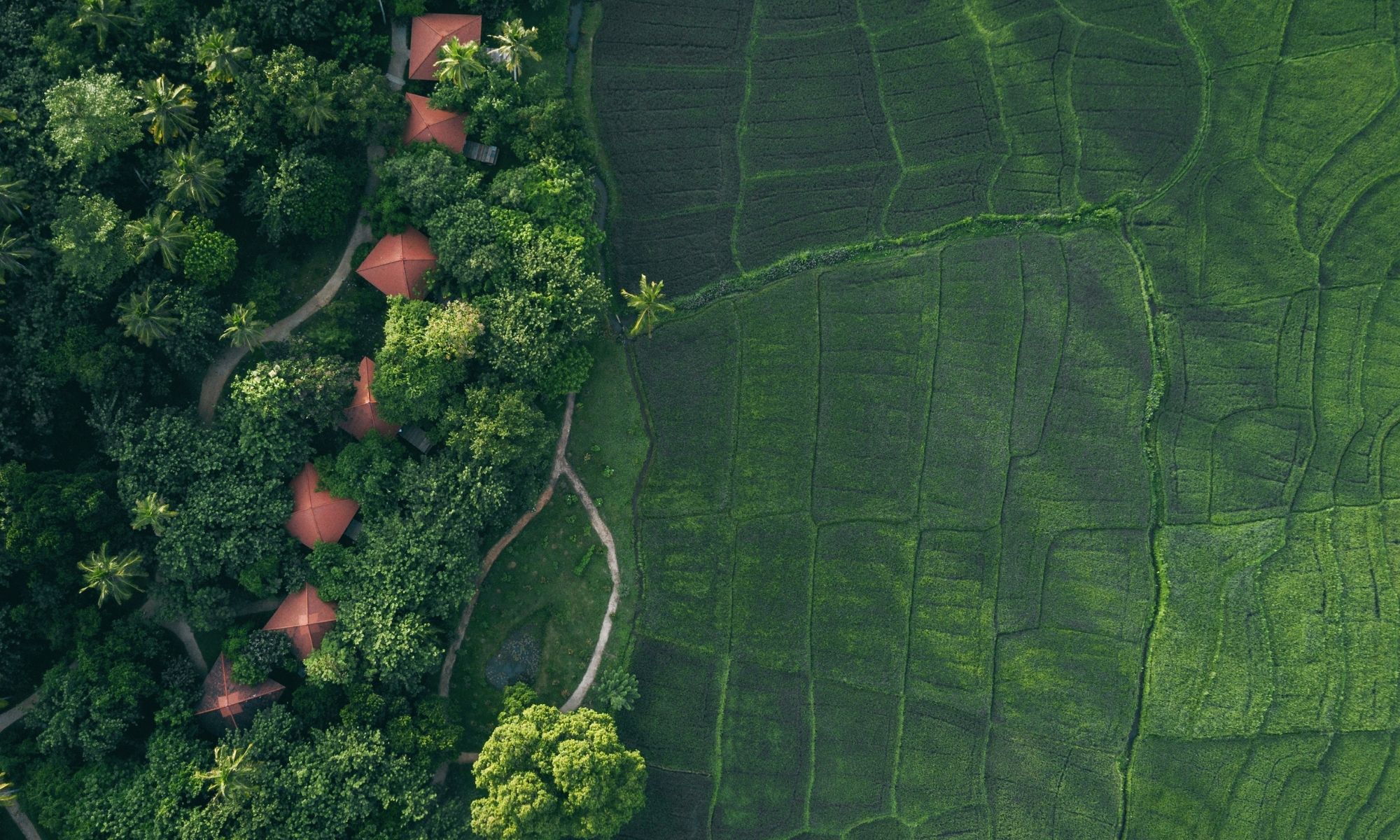
Luxury travel is often measured by what a destination gives us, the beauty, privacy, hospitality and extraordinary encounters. Responsible travel asks another question: What does our presence give in return?
At Exemplary Voyages, we believe travelling beautifully and travelling responsibly are inseparable. A carefully designed journey should enrich the traveller without diminishing the place that made it possible. Sri Lanka is not simply somewhere we arrange journeys. It is our home. Its landscapes, communities and traditions shape how we travel, and how we invite others to experience it.
Every Journey Makes a Choice
Travel is never entirely neutral. Long before a guest boards a plane, decisions are being made about where they will stay, whom they will meet, how wildlife will be approached and where their spending will go.
Those decisions matter. They can support locally owned businesses, skilled guides and independent artisans. They can help protect wildlife and preserve cultural knowledge. Or they can extract value from a place while returning very little to the people who sustain it.
Responsible travel does not require sacrificing comfort, privacy or refinement. It means choosing them with greater care. The most luxurious journey is not necessarily the one with the most elaborate itinerary. It is one in which every element feels considered, from the character of the property to the integrity of the experiences surrounding it.
Communities at the Heart of the Journey
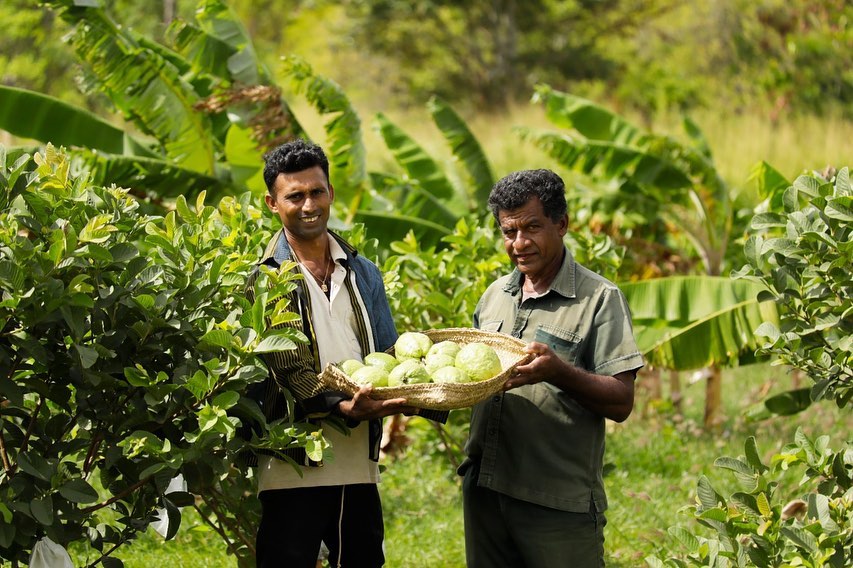
Some of Sri Lanka's most memorable encounters happen far beyond its celebrated landmarks. They take place in a batik workshop, where wax and colour are shaped by knowledge passed between generations. In a village pottery studio, where clay is still worked by hand. Or in a garden where spices are gathered before becoming part of the lunch prepared for you.
These moments are meaningful because they are personal. They should never feel staged or transactional. Travellers arrive as welcomed guests, while hosts share their knowledge on their own terms and receive fair value for their time, skill and hospitality.
A handmade object then becomes more than a souvenir. It carries the story of the person who made it.
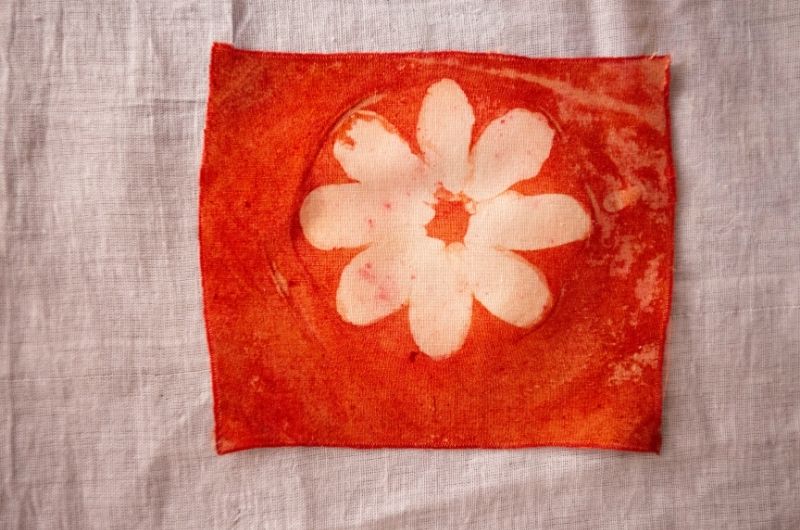
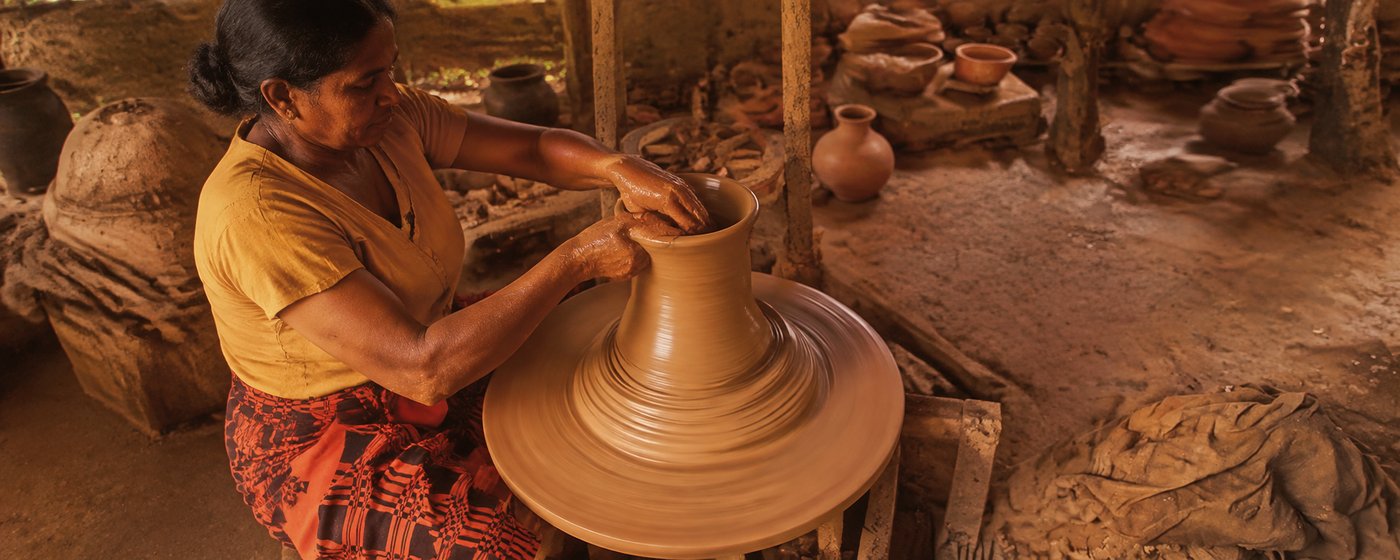
Batik weaving and pottery — craft traditions still carried by local communities
Choosing Places with Local Character
Sri Lanka is home to an exceptional collection of independent retreats: restored tea bungalows, family owned villas, nature lodges and small hotels shaped by the landscapes around them. Where appropriate, we favour properties that employ locally, source thoughtfully and maintain a genuine connection with their surrounding communities.
This does not mean rejecting international brands entirely. Some make meaningful investments in conservation, employment and local development. The important question is not simply who owns the property, but how it operates. Does it source produce from nearby farmers? Does it employ and develop people from the region? Does its architecture respond sensitively to the landscape? Does the surrounding community benefit from its presence? The answers tell us far more than a sustainability statement alone.
Wildlife Without Disturbance
Sri Lanka's biodiversity is extraordinary. Elephants move through forest and grassland. Leopards remain hidden within national parks. Blue whales travel through the waters surrounding the island, while endemic birds inhabit environments found nowhere else. Access to these animals is a privilege.
At national parks such as Yala and Wilpattu, the quality of a safari depends greatly on the people guiding it. Responsible naturalists keep a respectful distance, minimise noise and refuse to crowd or pursue an animal for the sake of a photograph.
A leopard resting undisturbed beneath a tree does not need to perform for us. Its presence is enough.
Sri Lanka's extraordinary biodiversity — access is a privilege, not a right
The same principle applies at sea. Whale watching excursions should observe appropriate distances, avoid chasing animals and follow the directions of trained crews. In the Maldives, responsible marine experiences should build understanding of coral reefs and the life they support without damaging the environment guests have travelled to enjoy. The best wildlife encounter leaves the animal's behaviour unchanged.
Protecting Living Culture
Sri Lanka's heritage is not confined to museums. It remains alive in temple rituals, Kandyan dance, drumming traditions, regional cooking and crafts carried forward through families and communities. Responsible cultural travel begins with respect.
Before guests enter a temple, they should understand how to dress and behave, what the ritual represents and when photography may be inappropriate. When visiting a community or family home, they should know whether the encounter is genuinely welcomed and fairly arranged.
Authenticity is not created by making a tradition more convenient or theatrical for visitors. It is found when travellers are invited to witness something real without asking it to change for them. This may mean remaining silent during a ceremony. Putting away the camera. Listening without interrupting. Accepting that not every meaningful moment needs to be captured or shared. Sometimes, respect is expressed through restraint.
A More Thoughtful Form of Luxury
Responsible travel is sometimes presented as a list of things travellers must give up. We see it differently. It can mean staying somewhere with greater character. Meeting people whose stories would otherwise remain outside the itinerary. Experiencing wildlife with a naturalist who helps you understand what you are seeing. Eating food grown nearby and prepared according to traditions rooted in the region.
These choices rarely make a journey feel smaller. They make it richer.
At Exemplary Voyages, we consider the impact of an experience alongside its beauty. We seek trusted local guides, ethical wildlife encounters, culturally respectful visits and properties whose values extend beyond the guest room.
We do not claim that travel can exist without impact. But we believe its positive contribution can be made more intentional. Because true luxury is not only the privilege of entering extraordinary places. It is the wisdom to leave them respected, supported and protected for those who live there, and for those who will arrive long after us.