These are not offers.
They are rare windows. Brief alignments of season, landscape and instinct that open for only a few weeks each year, with no exceptions.
As a Travel Advisor, I believe some journeys should begin not with the question, "Where would you like to stay?" but with another: "What extraordinary moment would you like to be present for?"
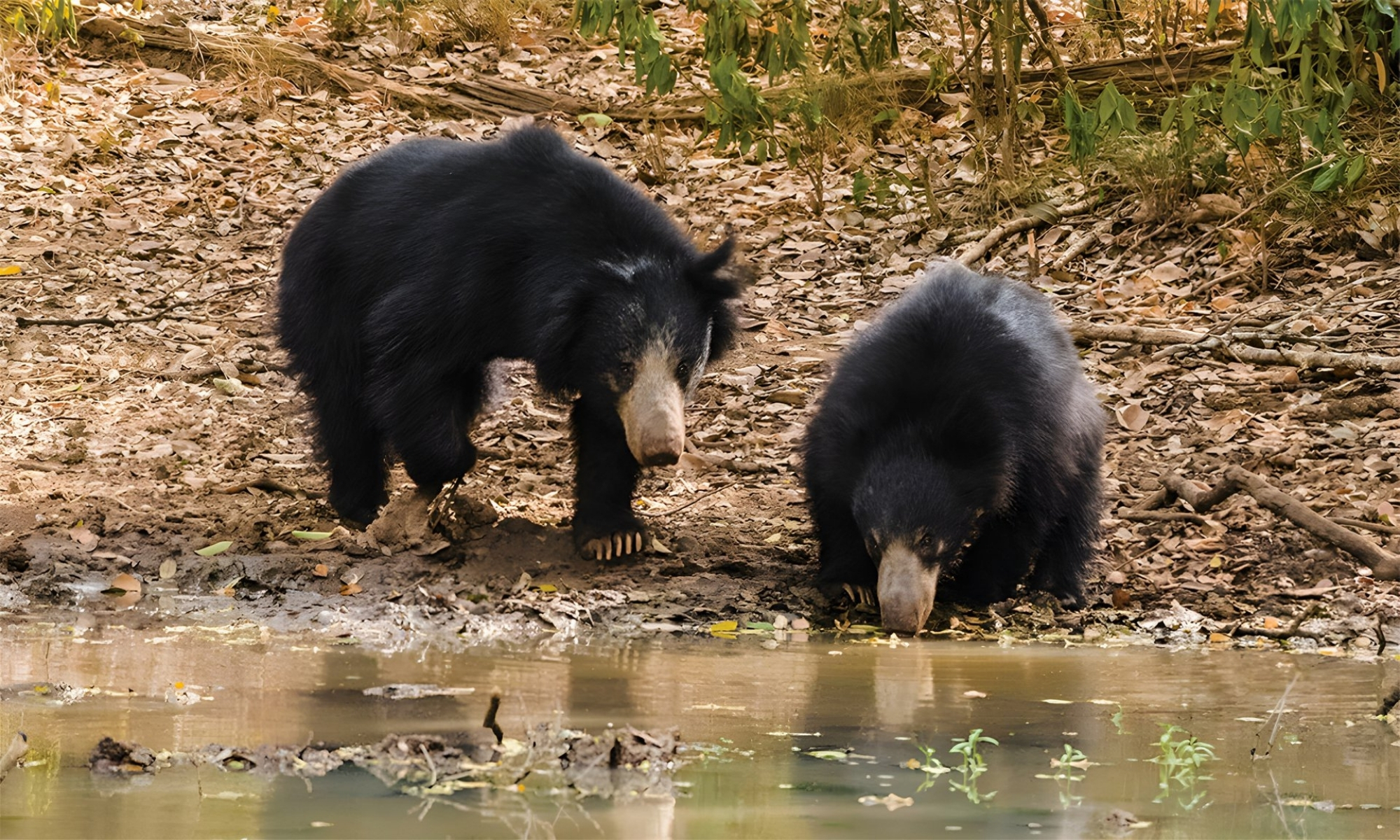
February to March: When the Sloth Bears Follow the Palu Fruit
For much of the year, Sri Lanka's sloth bears remain elusive. Then the Palu trees begin to fruit.
Drawn by the seasonal abundance, the bears become more active, creating one of the year's best opportunities to encounter them in Wilpattu National Park. A sighting is never promised. That uncertainty is part of its value. But this brief season allows us to plan with nature rather than simply hope to meet it.
Most visitors enter Wilpattu through Hunuwilagama, the park's principal gateway. For travellers who value silence as much as sightings, I may instead suggest Eluwankulama.
This quieter entrance reveals another side of Wilpattu: open wilderness, ancient villus reflecting the sky and safari trails where you may travel for long stretches without another jeep in sight.
There is no race towards an animal. No circle of vehicles tightening around a leopard or bear. Only you, your naturalist and the forest, waiting for it to decide what it will reveal.
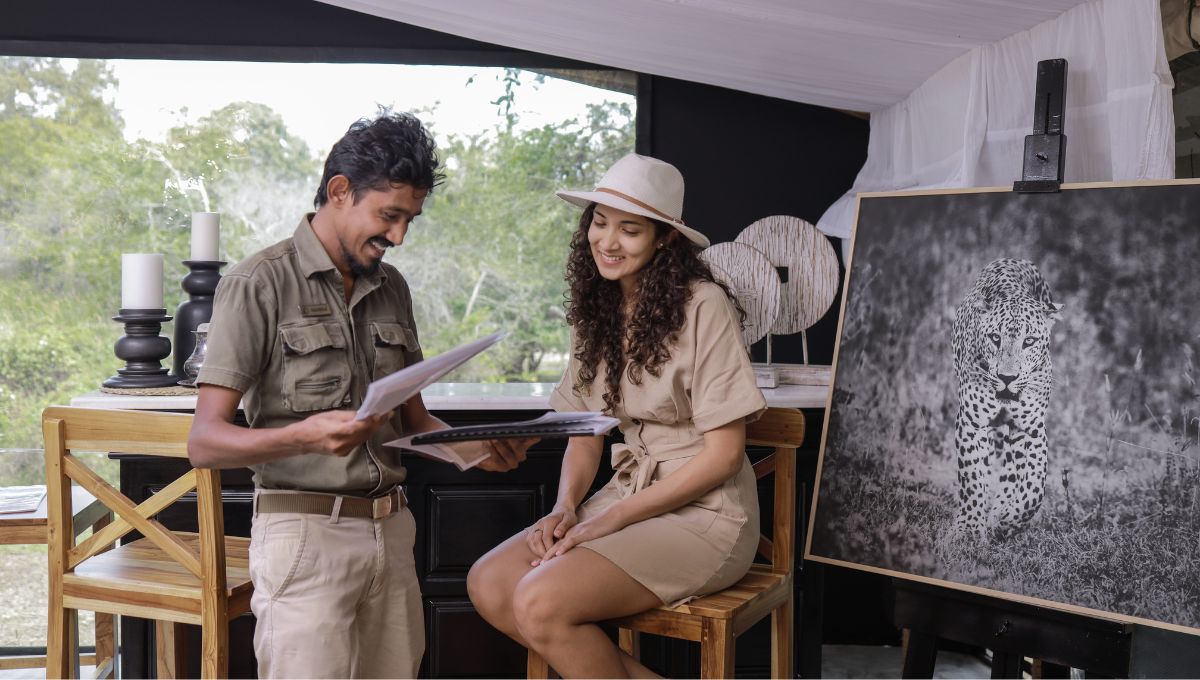
Wilpattu National Park — where sloth bears follow the Palu fruit
July to Mid September: The Great Elephant Gathering
Every year, as water recedes from the reservoirs of Sri Lanka's Cultural Triangle, elephants emerge from the surrounding forests to feed on the fresh grasslands.
Sometimes there are dozens. At the height of the season, there may be several hundred.
Adults move slowly across the plains while calves remain close to their mothers. Young elephants play at the water's edge. Entire family groups arrive from different parts of the forest, creating one of Asia's most remarkable wildlife spectacles.
The location can shift between Minneriya, Kaudulla and neighbouring habitats according to rainfall and water levels. This is why I never design the experience around a fixed promise. I work with naturalists who follow the elephants' movement and know where the gathering is unfolding.
For children, it is unforgettable. They may not remember every hotel or every meal from a family holiday. But they will remember standing quietly as hundreds of elephants appeared before them. It is the kind of story they will tell for years.
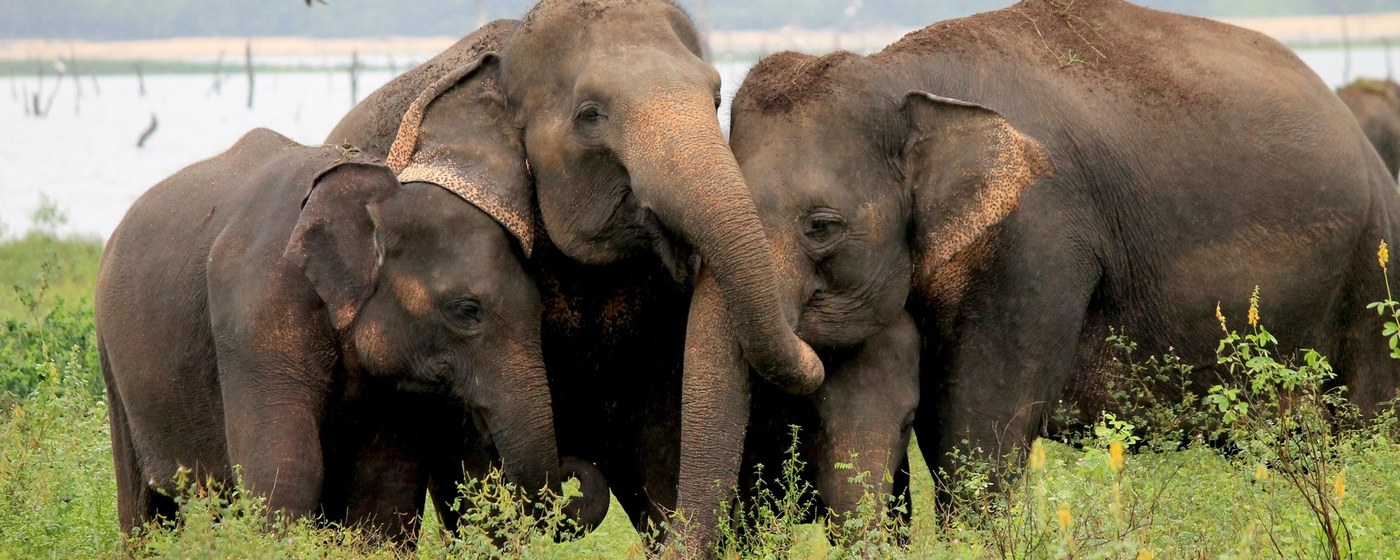
Minneriya National Park — hundreds of elephants gathering at the water's edge
July to Mid September: The Swimming Elephants of Gal Oya
During this same seasonal window, another extraordinary encounter may take place in Gal Oya.
Here, the safari is not made by jeep alone. You travel by boat across Senanayake Samudraya, surrounded by forested islands and water so peaceful that the journey feels private even before the wildlife appears. Then, with remarkable luck, an elephant enters the reservoir and begins to swim. Often, only its head and the tip of its trunk remain visible above the water.
Swimming elephants are never scheduled and never guaranteed. That is precisely why witnessing one feels so profound. You are not watching an organised wildlife display. You are observing a private act of nature that would have happened whether you were there or not.
July to September: When Arugam Bay Finds Its Rhythm
Not every rare window is about wildlife.
From July through September, Sri Lanka's east coast enters its finest surfing season. In Arugam Bay, long right hand waves begin rolling towards the shore with a rhythm that has drawn surfers from around the world.
For experienced surfers, these months bring consistency and variety. For beginners and families, private instruction can be arranged at gentler breaks away from the busiest line ups.
Yet Arugam Bay is not only about surfing. It is early mornings on an almost empty beach, breakfast after the first session and afternoons exploring the lagoons and wilderness of the southeast. It carries a freedom that is increasingly difficult to find elsewhere. The luxury here is not formality. It is waking with the ocean and knowing the day belongs entirely to you.
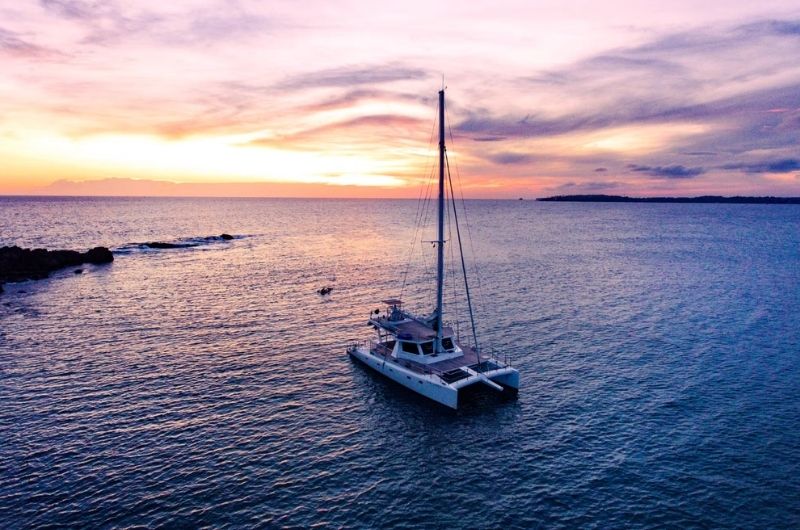
The southern coast — whale watching in peak season
November: The Ocean's First Great Secret
November marks the beginning of another marine season and the possibility of one of its most dramatic encounters.
Pilot whales travel in highly social pods, and on rare occasions they may appear in extraordinary numbers. Seeing the ocean come alive with them is not something that can be created or confidently predicted. It requires favourable conditions, expert local knowledge and an element of luck.
I have experienced this privately. A chartered yacht transforms the day from a whale watching excursion into a journey at sea. There is space to observe without joining a crowd of boats, time to stop for a swim when conditions permit and lunch prepared on board by your private chef.
Even if the whales remain elsewhere that day, the experience still holds value: open water, complete privacy and the pleasure of moving without a schedule. And if the pilot whales do appear, you understand immediately why some moments are worth crossing the world to witness.
All Year: Hambantota, Where Beach and Wilderness Meet
Some rare windows do not close.
Hambantota offers an unusually rewarding way to combine a coastal stay with several distinct wildlife experiences. From here, days can move between the beaches of the deep south, safaris in Yala, birdwatching in the wetlands of Bundala and a family visit to Birds Park Hambantota.
This is a combination I especially appreciate for families, because the experiences feel varied without requiring constant hotel changes. One morning may begin beside the ocean. The next may bring elephants, crocodiles or flamingos. Children can encounter wildlife in entirely different environments, while parents retain the comfort of returning to one thoughtfully chosen villa with private pool.
I know how well this works because my own children loved it. That personal experience matters to me. When I recommend a family journey, I am not only considering what appears attractive in an itinerary. I am thinking about what will hold a child's attention, what will feel manageable for parents and which memories will follow the family home.
Travel When the Moment Is Right
Rare windows ask us to travel differently. They require flexibility, informed planning and humility. Wildlife does not follow our itinerary. Rainfall may shift. Fruit ripens at different times. Elephants move. Whales choose another course.
Nothing is guaranteed. But when the timing is right, Sri Lanka offers moments that feel almost impossible to explain afterwards.
This is why I begin planning seasonal journeys early. I choose the right entrance, the right naturalist, the right private charter and the right place to stay, not to control nature, but to place you as thoughtfully as possible in its path.
Because the rarest luxury is not having an extraordinary experience created for you. It is being there when one happens.